Local detail
Where People Go Wrong
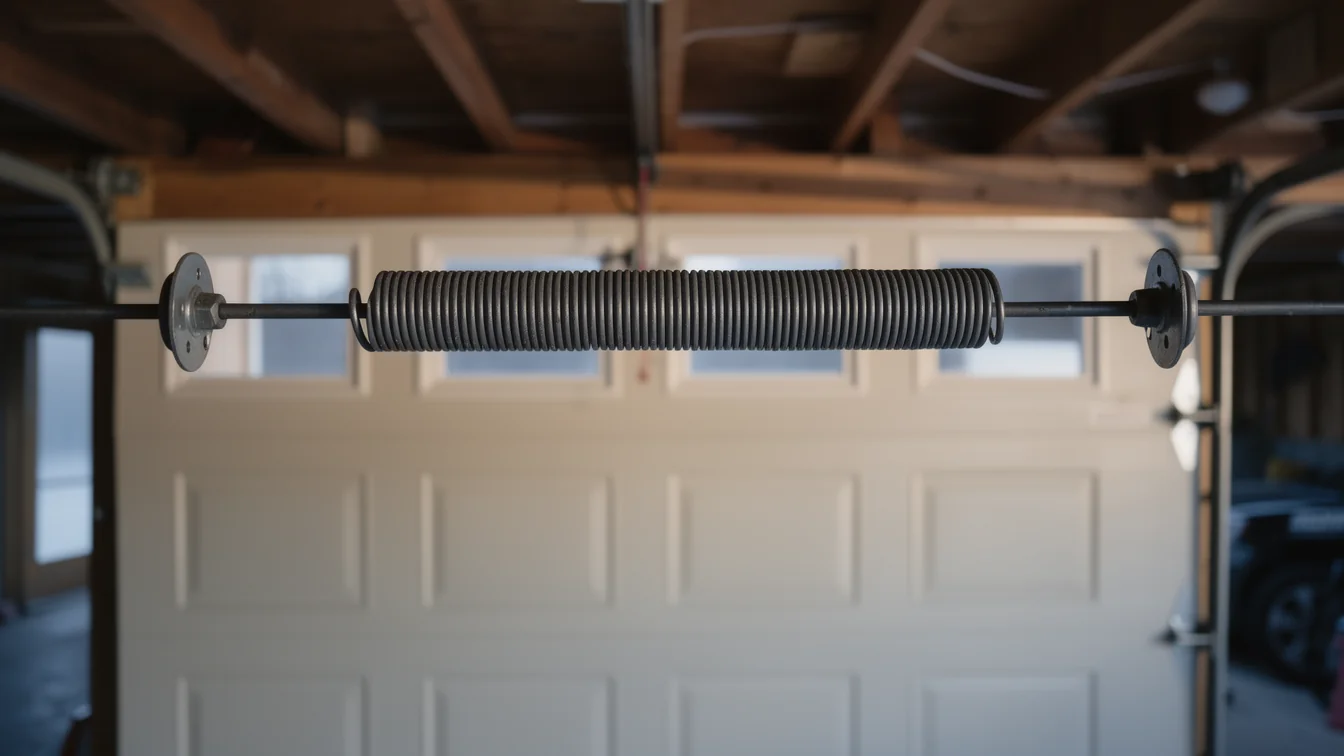
The most common mistake we see is a homeowner calling for "a quote" as if every garage door is the same part. It isn't. Most houses in this area were built between 1973 and 2012, with the bulk landing around 1989, and that one fact decides what's actually on the other side of the door. A house from that era is more likely to have a torsion spring on a single shaft rather than the older extension-spring pairs, but plenty of the earlier builds in the mix still run extension kits with no containment cable - a setup that's been out of code for new installs for years. People also assume the opener is the problem when the door itself is out of adjustment, or assume a spring repair when the real issue is a bent track from the door being forced on a cold morning. A call that starts with the wrong assumption wastes a trip. The fix is simple: tell us the rough age of the house, or let us ask, before we guess at parts over the phone.
The area
When to Call Someone
Call before the door stops working entirely, not after. A torsion spring that's lost tension will make the opener strain and groan weeks before it snaps - that's the time to call, while the door still opens. Same with a cable that's started to fray at the drum; you'll see it before it breaks. If the door drops fast on the last foot of travel, or one side visibly dips lower than the other when it's halfway up, that's a spring or cable issue, not an opener issue, and it's not safe to keep running it that way with a car under it. If the opener runs but the door doesn't move, or moves and reverses for no reason, that's track alignment or a safety sensor knocked out of line - common after someone bumps a ladder or a bike into the track. None of these wait well. A stuck door is an inconvenience; a door that drops on its own is a hazard.
What we find
What Local Conditions Do
Athens sits in a cold-moderate climate band, which means the hardware goes through a real seasonal swing every year - not the deep freezes you'd get further north, but enough cold to stiffen lubricant, contract steel, and change how a torsion spring behaves between July and January. A spring that's been carrying the same tension setting since 1989 doesn't adjust for that on its own; it just wears a little faster each cycle. Across the eight named pockets that make up the bulk of the service area's housing, the stock skews 1980s and 90s, which means a lot of doors out there are still running galvanized rollers and single-point cable drums that were standard before 2000 - parts that don't flex as well in a cold snap as the nylon rollers and dual-cable setups on newer installs. That's not a defect in any one house. It's just what thirty-plus-year-old steel does in this climate, and it's why a yearly tension and lubrication check matters more here than a glossy brochure would suggest.
How we work
The Problem
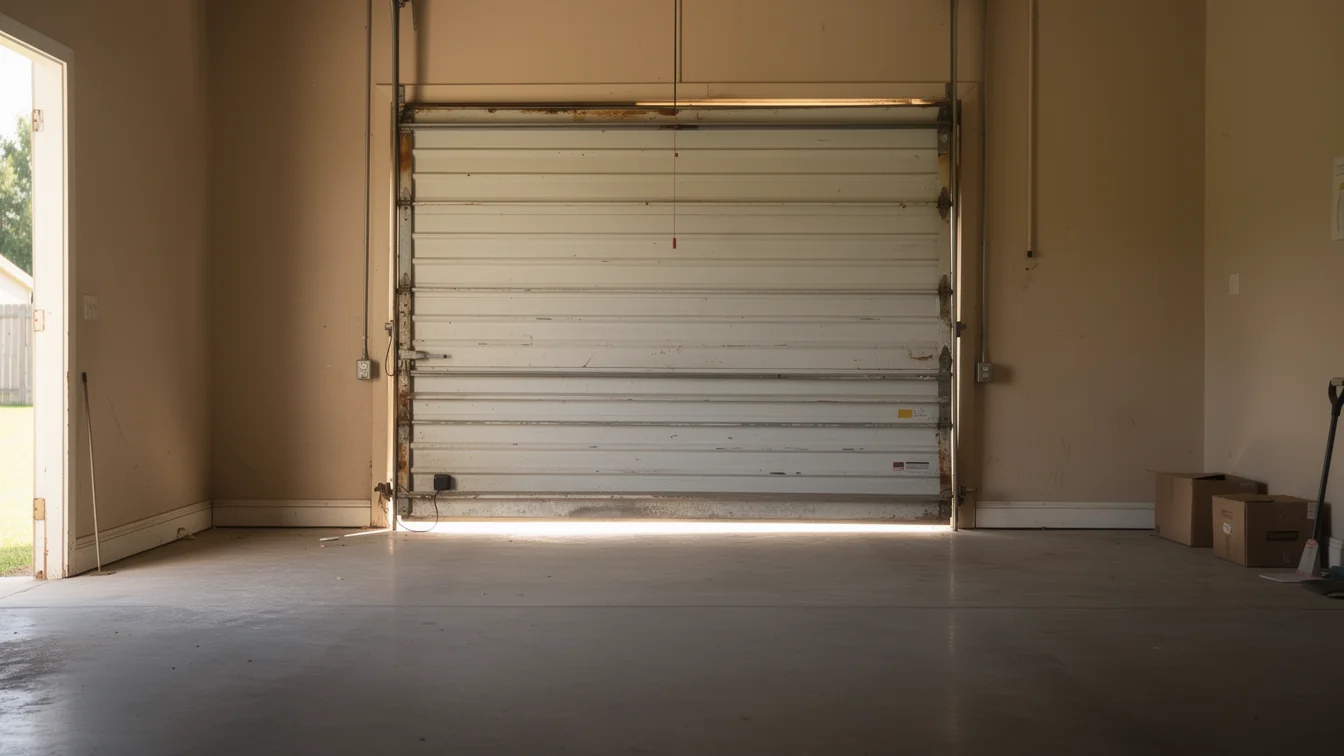
Here's the honest part: not every old door is worth repairing. If a door from the 1989-era wave needs a new spring, new rollers, and a track straightened in the same visit, the labor on three separate fixes can run close to what a new door costs, and the old door still won't have a safety reversal sensor or a containment cable on the springs. We'll tell you that instead of stacking repairs on a door that's past the point of it making sense - that's the limitation we work inside, not a sales pitch. With 6,078 owner-occupied houses out of 7,629 households in the service area, most of what we're walking into is original equipment on a home the owner has lived in a while, not a rental turnover door. And at a median household income of $97,583, replacement tends to pencil out faster here than patch-repair once a door needs more than one part. We'd rather say that up front than do three visits.
Talk to a local pro
Garage door trouble in Athens?
Same-day service with honest, upfront quotes.